Handling Workplace Policy and Procedure Disputes and Resolutions
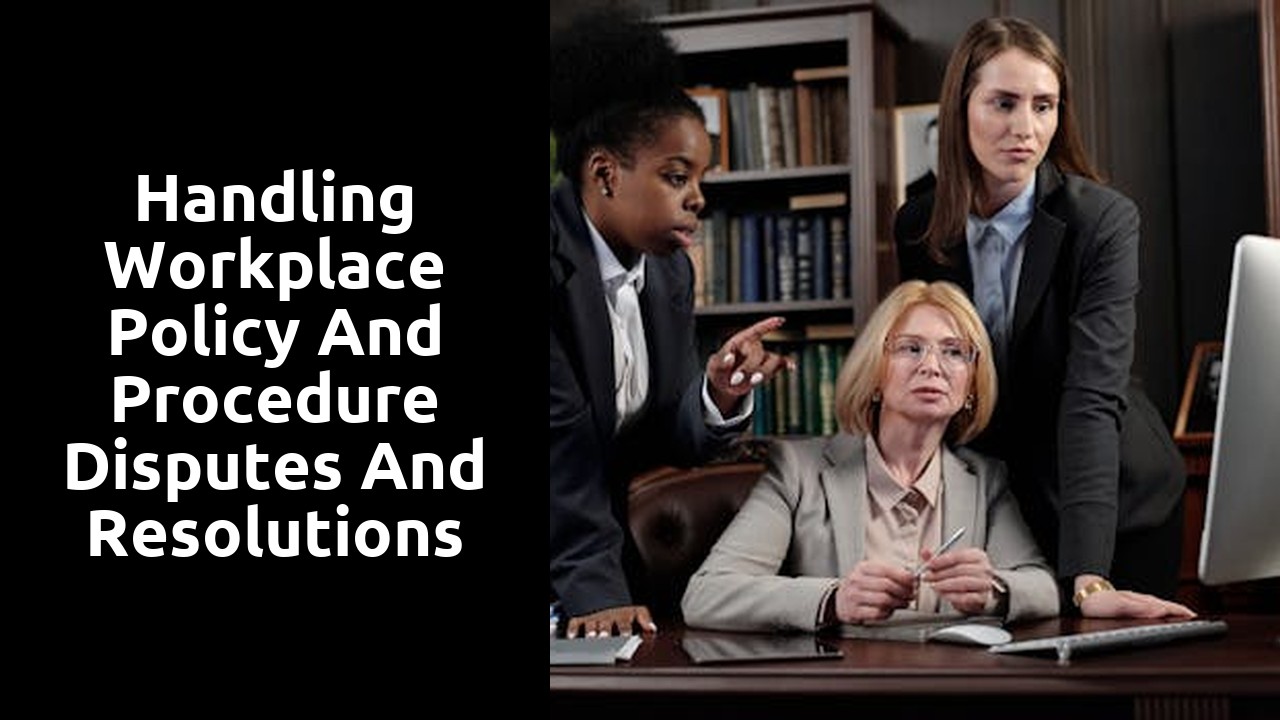
Navigating Conflict: Strategies for Addressing Workplace Policies and Procedures
Despite the best efforts of organizations to establish clear policies and procedures, conflicts are bound to arise in the workplace. Whether it's a dispute over vacation time, a disagreement regarding the interpretation of a company policy, or a conflict stemming from workplace harassment, it is important for employees and employers alike to have effective strategies in place to address these conflicts.
One crucial strategy for navigating conflict in the workplace is open and honest communication. When conflicts arise, it is essential for all parties involved to express their concerns and perspectives clearly and respectfully. This can involve scheduling a meeting with the relevant individuals, providing an opportunity for all sides to be heard, and fostering an environment where everyone feels comfortable sharing their thoughts and feelings. By openly discussing the issues at hand, misunderstandings can be cleared up, grievances can be addressed, and potential solutions can be explored. Open communication also allows for early detection of conflicts, which can prevent them from escalating into larger issues that may disrupt workplace harmony.
Resolving Differences: Finding Common Ground in the Workplace
Resolving conflicts and finding common ground in the workplace is essential for fostering a positive and productive work environment. When differences arise, it is important to approach the situation with a calm and open mindset. By adopting a tone of understanding and empathy, individuals can create a safe space for open communication and collaboration.
One effective strategy for resolving differences is active listening. Actively listening to the other party's perspective shows respect and can help in finding common ground. It is important to listen without interrupting, and to refrain from making assumptions or jumping to conclusions. By truly hearing and understanding each other's points of view, it becomes easier to identify shared interests and work towards a mutually beneficial solution.
Unraveling Workplace Challenges: Tackling Policy and Procedure Disputes
Workplace challenges often arise when employees and management have different interpretations of policies and procedures. These disputes can create tension and hinder productivity, but they can also be opportunities for growth and improvement. To effectively tackle policy and procedure disputes, it is crucial to adopt a proactive and collaborative approach.
First and foremost, open and transparent communication is key. Encourage all parties involved to express their concerns and perspectives openly, without fear of judgement or reprisal. Actively listen to each side and try to understand their underlying motivations. By fostering an environment of trust and respect, you can create a foundation for constructive dialogue and problem-solving.
Strategies for Effective Resolution in the Workplace
Effective resolution of workplace conflicts is crucial for maintaining a harmonious and productive work environment. To achieve this, it is important to establish open lines of communication and create an atmosphere where individuals feel comfortable expressing their concerns. Encouraging dialogue allows for a better understanding of different perspectives and helps in finding common ground.
Another key strategy for effective resolution is to approach conflicts with empathy and understanding. It is important not to dismiss employees' concerns or viewpoints but rather to actively listen and validate their experiences. By demonstrating empathy, conflicts can be approached in a more constructive and collaborative manner, leading to resolutions that satisfy all parties involved. Additionally, providing opportunities for employees to participate in the resolution process can help foster a sense of ownership and increase the likelihood of successful outcomes. By involving employees in the decision-making process, their voices are heard, and they feel valued, which in turn contributes to a more positive and productive work environment.
Clearing the Path: Overcoming Obstacles in Policy and Procedure Disputes
Policy and procedure disputes can often be obstacles in creating a harmonious work environment. However, by approaching these challenges with a determined and positive mindset, it is possible to clear the path and overcome these obstacles. One important strategy is to promote open and honest communication among all parties involved. Encouraging employees to express their concerns and opinions in a respectful manner fosters understanding and helps to identify potential areas of compromise. By actively listening to each other and working together, individuals can find common ground and develop solutions that benefit everyone involved.
Another crucial aspect in overcoming obstacles in policy and procedure disputes is the ability to adapt and be flexible. It is essential to recognize that not every situation is the same, and what has worked in the past may not be applicable in the present. By being open to alternative methods and considering different perspectives, individuals can explore creative solutions that address the specific challenges at hand. Flexibility also entails being willing to revisit policies and procedures that may need adjustment or improvement. This adaptability allows for continuous growth and improvement in the workplace, ultimately leading to a smoother resolution of disputes.
Building Bridges: Fostering Collaboration in Workplace Dispute Resolution
A key aspect of fostering collaboration in workplace dispute resolution is maintaining a respectful and considerate tone throughout the process. It is essential to approach discussions with an open mind, actively listening to the perspectives and concerns of all parties involved. By creating a safe and non-judgmental environment, individuals feel more comfortable expressing their thoughts and emotions, ultimately leading to a more productive and inclusive resolution.
In addition to maintaining a respectful tone, effective communication is crucial for building bridges in workplace dispute resolution. Clearly articulating one's own viewpoint and actively seeking to understand others' perspectives helps to create a shared understanding and common ground for collaboration. By encouraging open dialogue and constructive feedback, individuals can work together to find mutually beneficial solutions that address the root causes of the dispute. Through effective communication, trust and respect can be cultivated, laying the foundation for a collaborative and harmonious work environment.
Related Links
Training Employees on Workplace Policies and ProceduresAddressing Employee Questions and Concerns about Workplace Policies and Procedures
Dealing with Violations of Workplace Policies and Procedures
Ensuring Compliance with Workplace Policies and Procedures
Overview of Workplace Policies and Procedures Documentation
Implementing Effective Workplace Policies and Procedures
Best Practices for Reviewing and Updating Workplace Policies and Procedures